
Inside the New Era of High-Performance Aircraft Interiors
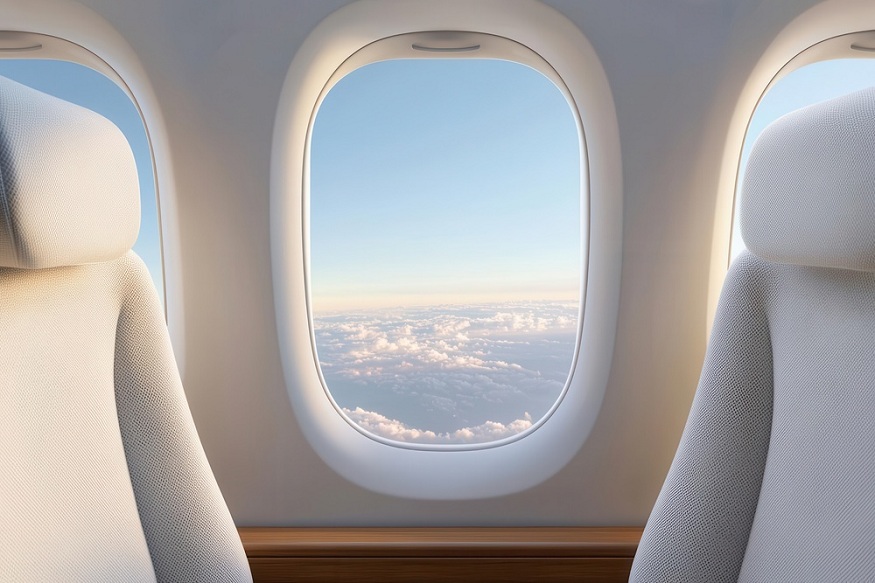
Step inside any modern aircraft and you’ll notice something’s different. The cabin doesn’t feel like a flying bus anymore. Today’s aircraft interiors are equipped with more technology than typical offices, feature materials typically found in spacecraft and manage to make extended flights seem quicker.
The Materials Revolution
The real magic happens in components passengers never think about. Engineers tossed out the old playbook. Heavy aluminum? Gone. Those scratchy fabric seats from the 90s? History. Now carbon fiber panels that weigh less than a pizza box could stop a sledgehammer.
Read More: Two Flagships, Two Philosophies: Invictus Yachts Redefines Buyer Choice with the ST550 and TT550
Here’s the remarkable part: one panel now handles five different jobs. Structure, insulation, soundproofing, fire resistance, even wire management, all rolled into a single component. Airlines love it because every pound saved means burning less fuel. A wide-body jet with new composite interiors can save 2,000 pounds. That’s like leaving a small car on the ground.
The everyday materials evolved dramatically, too. Seat fabrics that laugh off red wine spills. Armrests with coatings that kill germs on contact. Carpet that springs back from high heel damage as if nothing happened. Some airlines report their new seats still look fresh after eight years of daily abuse. The old ones? Trash after three.
Technology Meets Comfort
Remember fumbling with those terrible overhead reading lights? Ancient history. Today’s cabins respond to gestures, adjust themselves based on passenger load, and basically think for themselves. LEDs shift from energizing blue in the morning to warm amber at night, tricking brains into adjusting to new time zones before landing.
The climate control systems demonstrate impressive intelligence. Thermal cameras spot where people cluster—maybe everyone’s watching something on one side of the plane. The system notices and pumps extra cooling to that exact spot. No flight attendant involvement is needed. Just automatic comfort.
Read More: Sailing the Turkish Coast: Exploring Turkey Yacht Charter Itineraries
Aircraft interiors (VIP) setups push technology to extremes. Conference tables project 3D presentations, bedroom suites feature windows that turn opaque on command, galleys rival restaurant kitchens. With some configurations, you can achieve internet speeds that surpass those of home connections on the ground. At an altitude of 41,000 feet. While traveling at 500 miles per hour.
Safety Integration Without Compromise
The safety improvements arrived quietly while everyone focused on the fancy screens. Those attractive wall panels? They’ll protect occupants from fire longer than the old metal ones ever could. The carpet contains flame-suppressing chemistry that activates only if needed. Even the overhead bins got smart; they lock themselves when turbulence hits.
Then there is the serious protection that rarely gets discussed publicly. LifePort builds aircraft ballistic protection systems right into interior panels, turning regular-looking cabins into secure environments for crews flying dangerous routes. It goes completely unnoticed. These panels are indistinguishable from ordinary ones, yet they can thwart attacks that would breach standard aircraft armor.
Crash survivability jumped forward too. Seats now crumple in specific patterns during impact, absorbing energy that would otherwise hit passengers. The floor stays together even when things go sideways. Testing videos show crashes that would have been catastrophic thirty years ago, with test dummies walking away.
Conclusion
This new generation of interiors flipped the script on aircraft design. Nobody accepts trade-offs anymore. Lighter builds don’t imply weaker materials. Aesthetics are not compromised by the inclusion of safety features. Comfort does not sacrifice performance. The materials science caught up with expectations, finally. Passengers boarding flights today enter environments that coddle them, protect them, and transport them using less fuel than ever. The funny thing? Most people never notice the revolution happening around them. They just know flying feels better than it used to. That’s probably the biggest success of all: making extraordinary engineering feel ordinary.